
Downtown Tampa and the neighboring Channel District have changed a great deal in recent years, with new apartment and condo towers, the extended Riverwalk and new streets full of restaurants and shops. For newcomers who want to walk to dinner, live without a long commute or try city living before buying a house, they are worth a close look. This guide explains what daily life is like there, what it costs in trade-offs and who it suits.
Key takeaways
- Downtown and the Channel District are the most walkable parts of Tampa, linked by the Riverwalk and the free TECO Line Streetcar.
- Housing is mostly apartments and condos in mid- and high-rise buildings.
- Parking, building fees and hurricane rules for high-rises are part of the real cost.
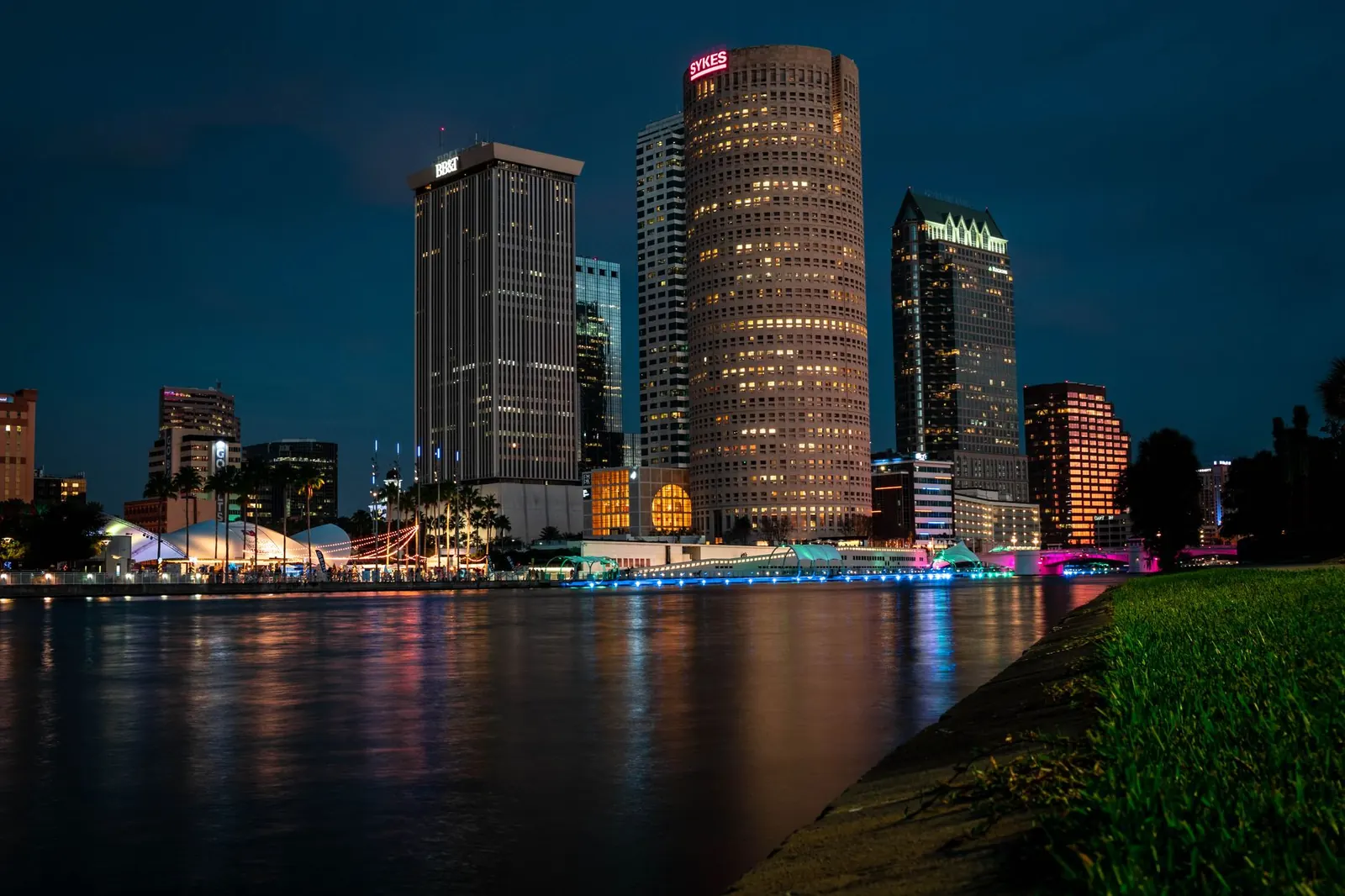
Downtown
Downtown Tampa sits along the Hillsborough River. The Tampa Riverwalk, a waterfront path of about 2.6 miles, links parks, museums and restaurants from the Channel District in the south to the Heights area in the north. Curtis Hixon Waterfront Park, the Tampa Museum of Art and the children’s museum are in the middle of it. Office towers still dominate parts of downtown, but there are now many more residents, and evenings are livelier than they used to be.
The Channel District and Water Street
The Channel District, just southeast of downtown along the port, is home to the Florida Aquarium, the cruise terminal and many newer apartment buildings. The area between it and downtown has been rebuilt with new towers, shops and restaurants. It is one of the densest residential areas in the region and one of the easiest places to live without using a car every day.
Getting around
The TECO Line Streetcar is free and runs for about 2.7 miles between downtown, the Channel District and Ybor City. The Riverwalk works well for walking and biking. For trips outside the core, most residents still use a car or ride-hailing, and some buildings charge separately for parking spaces.
Downtown vs. Channel District
| Downtown | Channel District | |
|---|---|---|
| Feel | Mix of offices, parks and new residents | Residential towers, restaurants, port views |
| Walkability | High along the Riverwalk | High |
| Nearby | Museums, Curtis Hixon Park, river | Florida Aquarium, streetcar, Ybor City |
| Things to check | Event noise, parking costs | Port and cruise traffic, parking costs |
Tip: Ask each building how it handles hurricanes: whether residents are expected to leave when the zone is ordered out, where cars go if the garage floods, and whether elevators and water keep working without power.
The real costs
Rents and condo prices in new towers are often higher per square foot than in the suburbs. On top of rent, many buildings charge for parking, amenities or pets. Condo owners pay association fees that cover building insurance, maintenance and reserves, and those fees can rise. Florida has tightened safety and reserve rules for condo buildings in recent years, so ask about recent inspections and planned special assessments before you buy.
Storms and high-rise living
Much of downtown and the Channel District sits near the water and can be in lower-numbered evacuation zones. If your zone is ordered to evacuate, that applies to high-rise residents too. Check the county’s evacuation zone tool for the address, and make a plan for where you would go.
Who it suits
- People who want to walk to restaurants, parks and events.
- Newcomers who want to rent first and learn the city before buying.
- Anyone who works downtown or in nearby offices.
Before you choose
- Visit on a weekday night and during a big event to judge noise and traffic.
- Ask for a full list of monthly fees, including parking.
- For condos, ask about inspections, reserves and upcoming assessments.
- Check the evacuation zone for the building.
Daily life and errands
Downtown and the Channel District have grocery stores, pharmacies, gyms and restaurants within walking distance of many buildings, which makes car-light living possible. Larger errands, such as big shopping trips or visits to suburban stores, usually still need a car or delivery.
Common mistakes
The most common mistake is comparing downtown rent to suburban rent without adding parking and fees. The second is assuming a high floor means you can ignore evacuation orders; if the zone is ordered out, plan to leave.
Frequently asked questions
Is the Tampa streetcar free?
Yes. The TECO Line Streetcar is currently free to ride. Check the official website for hours.
Can you live downtown without a car?
Some residents do, using the streetcar, the Riverwalk and ride-hailing. Most still keep a car for errands and trips out of the city.
Do I need to evacuate from a high-rise?
If your evacuation zone is ordered out, the order applies to your building. Follow county instructions.
For more on the free streetcar and other options, read Getting Around Tampa: Cars, Tolls, the Streetcar and Bikes. The waterfront path is covered in The Tampa Riverwalk: A Newcomer’s Guide.