
Tampa is a driving city. Most residents rely on cars for work and errands, and the metro area stretches across bays and bridges. That said, there are useful alternatives in the city core, including a free streetcar and long waterfront paths. This guide explains how people actually get around, what newcomers should know about tolls and traffic and where you can manage without a car.
Key takeaways
- Most residents drive; plan your home around your commute.
- Several highways in the area are toll roads; a transponder or toll-by-plate billing is the norm.
- The TECO Line Streetcar is free and links Downtown, the Channel District and Ybor City.
Driving and traffic
The main roads include Interstate 275 through the city, Interstate 4 to the east, Interstate 75 along the eastern suburbs, and bridges across Old Tampa Bay to Pinellas County, including the Howard Frankland Bridge. Rush-hour traffic can be heavy, especially on bridges and around interchanges. Summer afternoon storms can slow traffic suddenly and flood low spots on roads. Allow extra time and never drive through standing water.
Tolls
Several roads in the Tampa area are toll roads, including the Selmon Expressway and the Veterans Expressway. Tolls are collected electronically. Drivers use a transponder linked to a prepaid account, or are billed by mail through the plate if they have no transponder, which usually costs more. If your daily commute uses a toll road, factor the cost into your budget and consider a transponder.
The streetcar
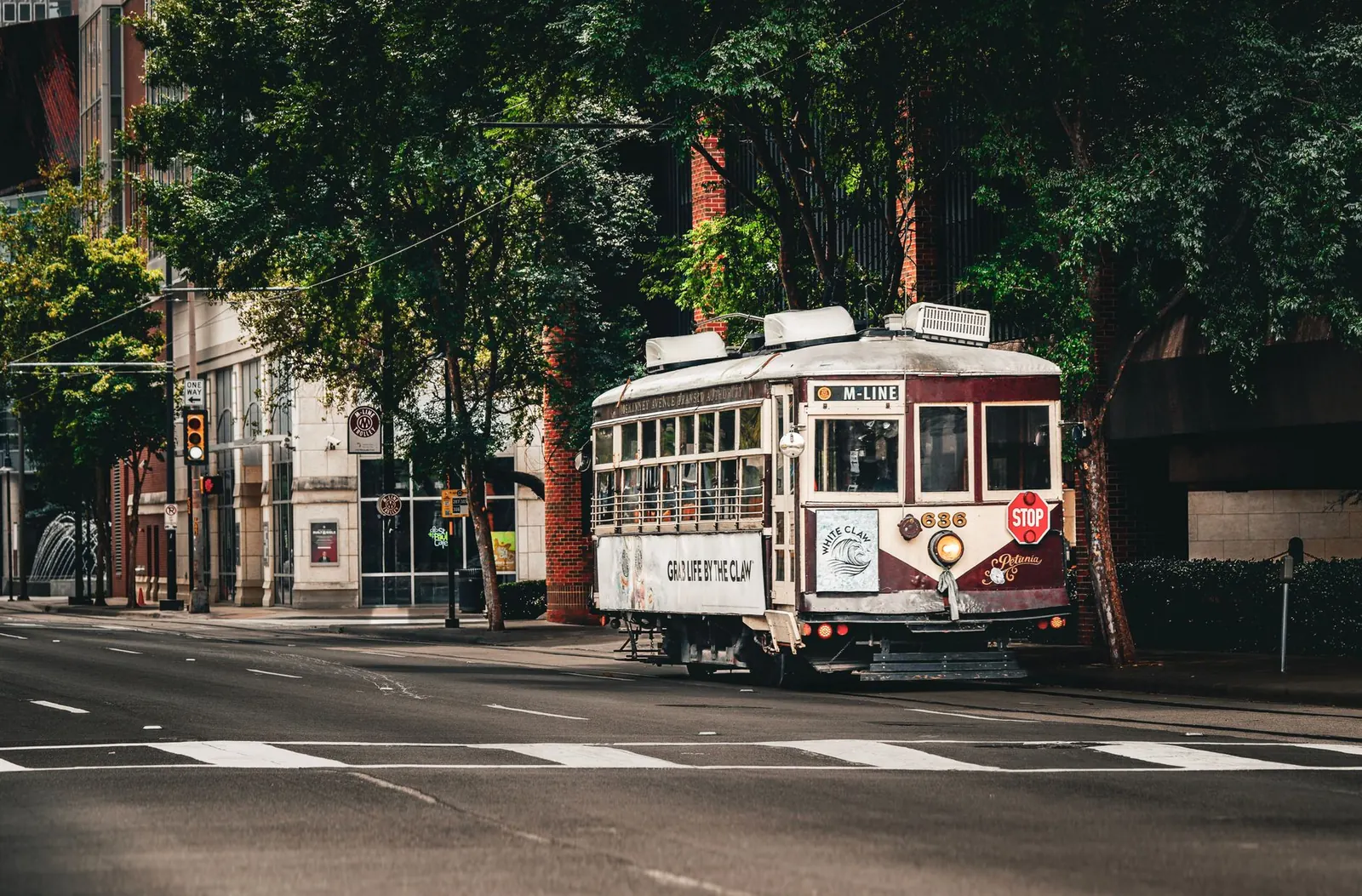
The TECO Line Streetcar is a heritage-style electric streetcar that runs for about 2.7 miles between Downtown, the Channel District and Ybor City. Service is currently free and runs every 15 minutes or so at most times, with later service on weekend nights. It is a practical way to get to dinner in Ybor City or the aquarium without parking.
Buses, bikes and walking
The regional bus agency runs routes across Hillsborough County, useful mainly along major corridors. In the city core, the Tampa Riverwalk and the Bayshore Boulevard sidewalk are excellent for walking, running and biking. Outside those areas, bike lanes are uneven and summer heat makes long rides hard, so most people bike for recreation more than commuting.
Options compared
| Car | Streetcar | Bus | Bike or walk | |
|---|---|---|---|---|
| Coverage | Whole metro area | Downtown, Channel District, Ybor City | Major corridors | Riverwalk, Bayshore, some neighborhoods |
| Cost | Car, fuel, insurance, tolls | Free | Low fare | Low |
| Best for | Commuting, errands | Evenings out in the core | Commuters on a route | Recreation, short trips |
| Downside | Traffic, parking | Short route | Limited reach | Heat and summer storms |
Tip: If you plan to live without a second car, choose a home within walking distance of the streetcar, the Riverwalk or a frequent bus route, and test the trip in summer heat before committing.
Flying in and out
Tampa International Airport sits northwest of downtown, close to Westshore and the Veterans Expressway. For frequent travelers, living in the western or northwestern parts of the city can save time.
Crossing the bay
Many residents cross Old Tampa Bay regularly, whether to reach the beaches, to commute to St. Petersburg or Clearwater, or to visit friends. The bridges can be slow at rush hour and are affected by accidents and storms. If you will cross daily, choose where you live with that in mind, and check traffic before you leave.
During hurricane evacuations, bridges may be crowded or closed when winds get too strong. Plan to leave early if you are ordered to evacuate.
Ride-hailing and scooters
Ride-hailing is widely available and useful for nights out, airport trips and events downtown, when parking is scarce. Downtown and nearby areas also have shared bikes and scooters. Check local rules on where they can be ridden and parked, and be careful in traffic, especially after dark.
Common mistakes
The most common mistake is choosing a home based on distance and not testing the commute at rush hour. The second is ignoring tolls, which add up on a daily commute. The third is driving through flooded roads after a summer storm; water is often deeper than it looks.
Frequently asked questions
Can you live in Tampa without a car?
It is possible in the downtown core, with the streetcar, the Riverwalk and ride-hailing. Elsewhere, a car is usually needed.
Is the Tampa streetcar free?
Yes, the TECO Line Streetcar is currently free. Check the official website for hours and any changes.
How do tolls work in Tampa?
Tolls are electronic. Use a transponder with a prepaid account, or be billed by mail using your license plate.
If a walkable life appeals to you, read Living Downtown or in the Channel District. For a walk along the water, see Bayshore Boulevard: Walking, Running and Biking Tampa’s Waterfront.