
Getting your home ready for storm season is mostly about doing simple things early: knowing how to protect windows, clearing the yard, checking the roof and gutters and having a plan for power outages. Whether you rent or own, a few hours of preparation in late spring can save a lot of stress later. This guide covers what to do before the season, when a storm is forecast and after it passes.
Key takeaways
- Prepare in May or early June, before the peak of hurricane season.
- Know how you will protect windows and doors, and bring in anything loose from the yard when a storm approaches.
- Photograph your home and belongings before the season for insurance purposes.
Before the season
- Have the roof checked if it is older or you are not sure of its condition.
- Clean gutters and downspouts so heavy rain can drain away from the house.
- Trim dead branches and trees close to the house.
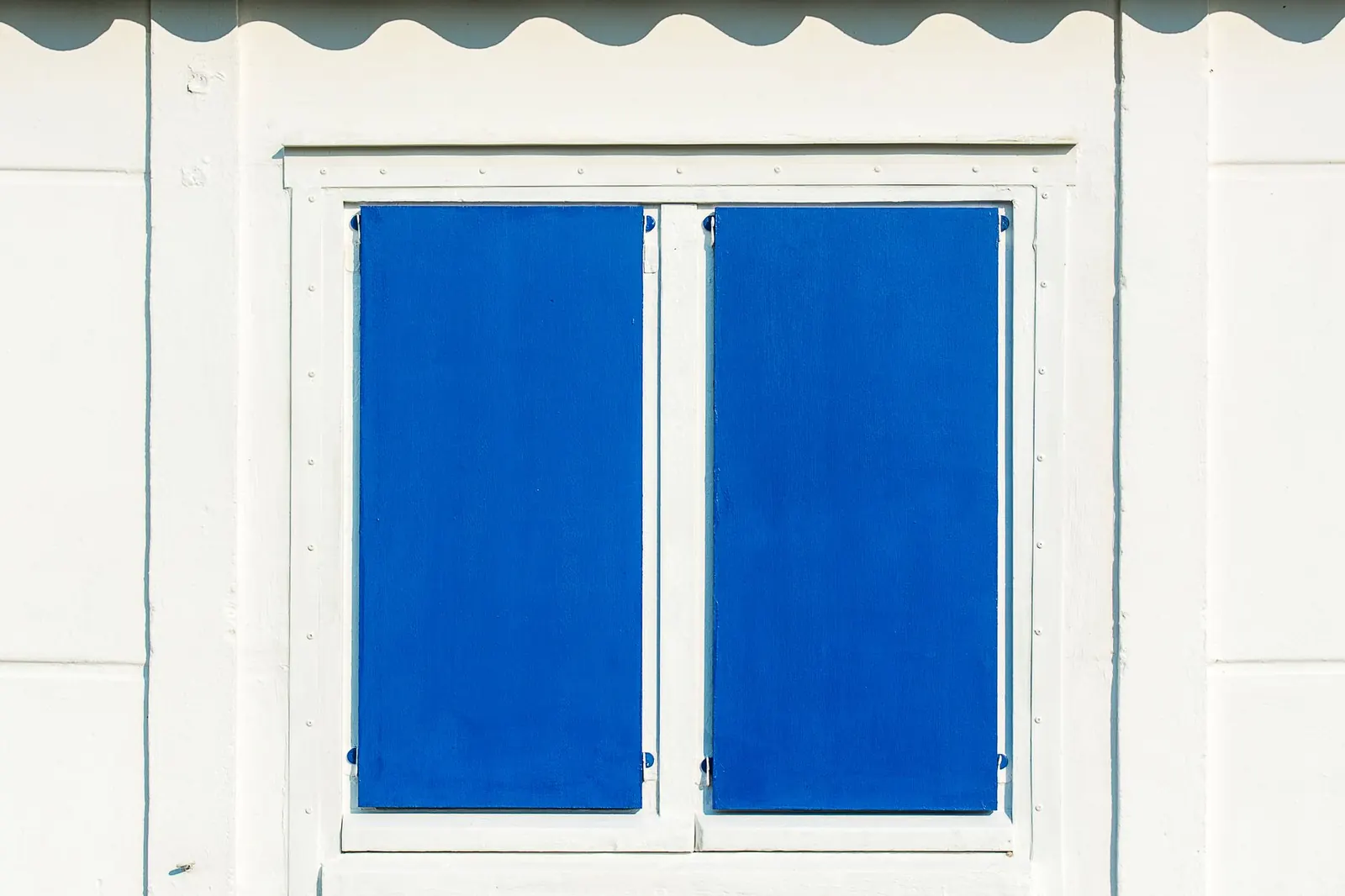
- Find out how your windows and doors are protected: impact glass, shutters or panels.
- Take photos or a video of each room and your belongings for insurance records.
Renters should ask the landlord what the storm plan is: who installs shutters, whether the building has a plan for evacuations and who to contact after a storm. Keep your renters insurance and, if you choose, flood contents coverage up to date.
When a storm is forecast
- Bring in or secure patio furniture, grills, planters and anything that could blow away.
- Install shutters or panels if your home has them.
- Fill your car’s gas tank and get cash.
- Charge phones and power banks.
- Move valuables and documents off the floor and into waterproof containers.
Window protection options
| Option | How it works | Notes |
|---|---|---|
| Impact-resistant windows | Glass designed to withstand debris | Always in place; common in newer homes |
| Permanent shutters | Roll-down or accordion shutters | Closed quickly when needed |
| Removable panels | Metal or polycarbonate panels | Need storage and time to install |
| Plywood | Temporary boards | Cut and label in advance; tape does not help |
Tip: If you use removable panels or plywood, do a practice run early in the season. Installing them for the first time with a storm on the way is slow and stressful.
Power outages
Power outages are common after storms. Keep flashlights and batteries ready, and a battery-powered or hand-crank radio for updates. If you use a portable generator, run it outdoors only, well away from doors and windows, never in a garage. Carbon monoxide from generators is a serious danger after storms.
After the storm
- Stay away from downed power lines and flooded areas.
- Photograph damage before cleaning up, then contact your insurer.
- Prevent further damage, for example by covering a damaged roof with a tarp, and keep receipts.
- Be careful with chain saws and ladders; many injuries happen during cleanup.
Who needs to prepare most
- Owners of older homes with older roofs or windows.
- Residents of mobile and manufactured homes, which are especially vulnerable to wind.
- Anyone living near the water or under large trees.
Insurance before the season
Review your homeowners or renters policy before the season starts. Check your hurricane deductible, which is often a percentage of the home’s insured value rather than a fixed amount, and make sure your coverage limits still match the cost to rebuild. Consider flood insurance, which is separate and usually takes 30 days to start. Store copies of your policies somewhere you can reach from your phone.
Pets and storms
Include pets in your storm plan. Keep food, water, medications, a carrier and vaccination records ready. Not every shelter accepts pets, so find out in advance which ones do, or which hotels or friends outside your zone can take you and your animals. Make sure pets wear ID tags and are microchipped in case you are separated.
Documents
Scan or photograph key documents, such as insurance policies, IDs, deeds or leases, medical records and your home inventory, and store them online. Keep the originals in a waterproof container that you can grab quickly if you need to leave.
Common mistakes
The most common mistake is taping windows, which does not prevent them from breaking. The second is leaving yard items outside, where they become flying debris. The third is running a generator in a garage or too close to the house.
Frequently asked questions
When should I prepare my home for hurricane season?
Before the season begins on June 1, ideally in May.
Does taping windows help?
No. Tape does not stop glass from breaking. Use shutters, panels or impact-resistant windows.
Where should I run a generator?
Outdoors only, far from doors and windows, and never in a garage or enclosed space.
For the bigger picture, read Hurricane Season in Tampa: A Plain-English Guide for Newcomers. For coverage, see Flood Insurance Basics for New Tampa Residents.