
Tampa’s climate is one of the main reasons people move there, and one of the biggest adjustments once they arrive. Winters are mild and sunny. Summers are long, hot, humid and stormy, with afternoon thunderstorms most days. Hurricane season overlaps with the hottest months. Knowing the rhythm of the year helps you plan everything from your commute to your weekends. This guide walks through the seasons from a newcomer’s point of view.
Key takeaways
- Summer, roughly late May through September, is hot and humid with frequent afternoon thunderstorms.
- Winter and spring are usually mild, sunny and drier, which is when outdoor plans are easiest.
- Hurricane season runs from June 1 to November 30.
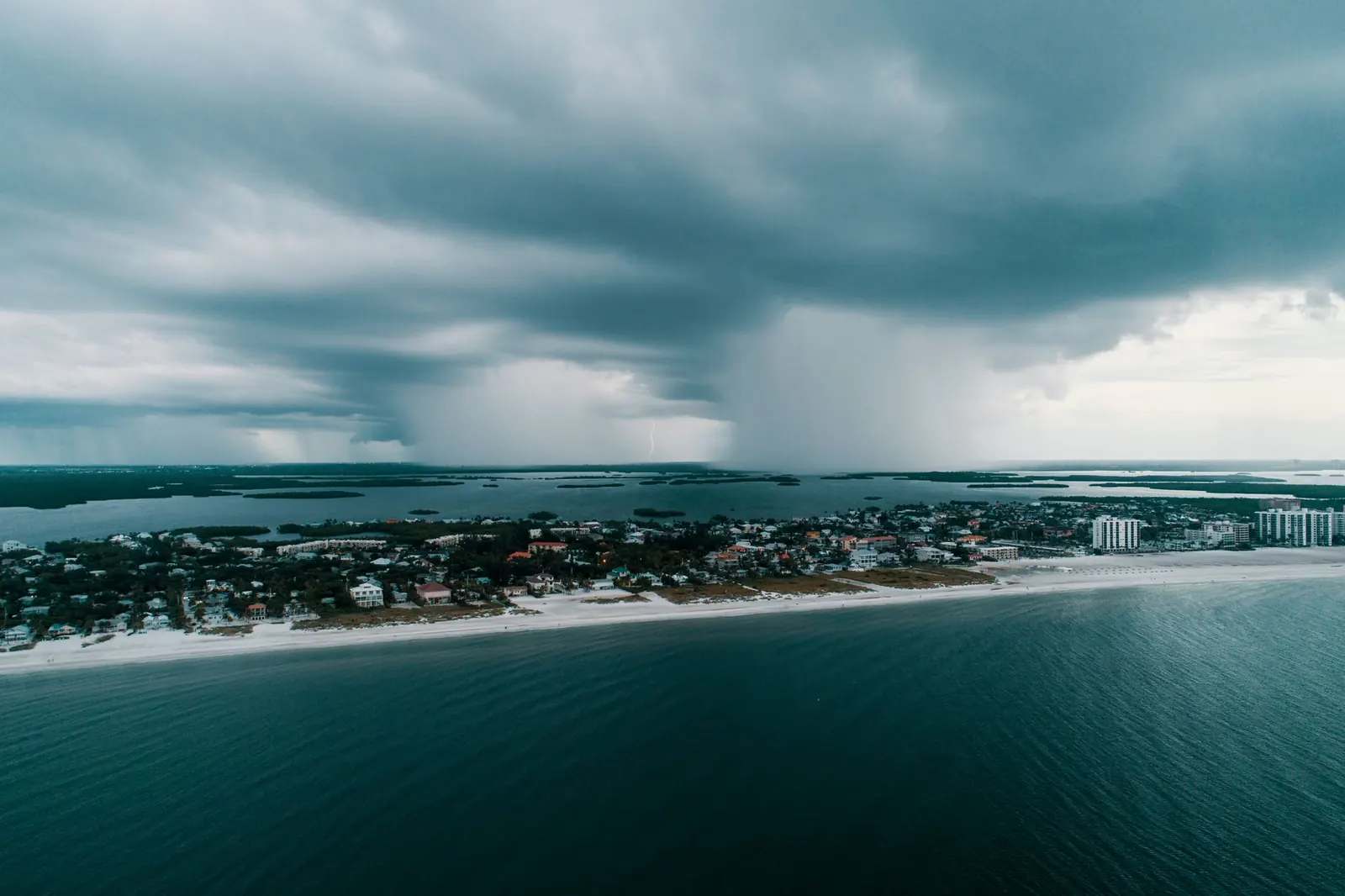
Summer: heat, humidity and daily storms
From late spring through early fall, most days are hot and humid. Thunderstorms often build in the afternoon, bringing heavy rain, lightning and sometimes street flooding, then clear by evening. Florida has a high rate of lightning, so move indoors when you hear thunder. Plan outdoor activities for the morning, drink plenty of water and expect higher electric bills from air conditioning.
Fall: still warm, drier later
Early fall still feels like summer, and it is an active part of hurricane season. Later in the fall, humidity usually drops and the daily storms fade. Many residents consider late fall one of the best times of year.
Winter: mild and sunny
Winters in Tampa are generally mild and drier, with plenty of sunny days. Cold fronts bring occasional chilly spells, and frost is uncommon but possible, especially inland. Winter is when manatees gather in warm-water refuges and when outdoor festivals, markets and beach walks are most comfortable.
Spring: warming up
Spring is usually dry and pleasant, warming steadily toward summer. It is a popular time for outdoor events and beach days before the heat and storms return. Late spring can be quite hot.
Seasons at a glance
| Season | What it feels like | Good for | Watch for |
|---|---|---|---|
| Summer | Hot, humid, afternoon storms | Morning beach trips, indoor attractions | Lightning, heat, street flooding, hurricanes |
| Fall | Warm, then drier | Getting back outdoors | Hurricane season through November |
| Winter | Mild, sunny, occasional cold fronts | Hiking, festivals, manatee viewing | Rare frost inland |
| Spring | Dry, warming | Beaches, outdoor events | Heat building in late spring |
Tip: In summer, schedule outdoor plans for the morning and keep an indoor backup for the afternoon. Storms often build quickly after lunch and pass within an hour or two.
Living with the heat
- Keep water in the car and never leave children or pets in a parked vehicle.
- Choose homes and apartments with good air conditioning and shade.
- Watch for signs of heat illness, especially when working outside.
- Use sun protection year-round; the sun is strong even in winter.
Hurricane season
The Atlantic hurricane season runs from June 1 to November 30. Most years no hurricane makes landfall near Tampa, but tropical storms and heavy rain are common, and preparing every year is the safe approach. Know your evacuation zone and keep a basic kit ready.
Lightning safety
Florida has some of the most frequent lightning in the country, especially during summer afternoon storms. If you hear thunder, lightning is close enough to strike. Move indoors or into a hard-topped vehicle, and wait until the storm has passed before going back outside. Beaches, open fields, golf courses and the water are particularly dangerous during storms.
Planning your year
Many residents plan around the seasons: outdoor projects, hiking and festivals in the cooler months; beach mornings and indoor attractions in summer; and storm preparations in late spring. Once you learn the rhythm, Tampa’s climate becomes much easier to enjoy.
What to wear
Light, breathable clothing works most of the year, with a light jacket for winter evenings and air-conditioned buildings. Keep a small umbrella or rain jacket in the car during summer, and wear shoes that can handle a sudden downpour. Sunglasses, a hat and sunscreen are useful in every season.
Common mistakes
The most common mistake is planning outdoor activities for summer afternoons. The second is driving through flooded streets after a storm. The third is treating hurricane season as something to deal with only when a storm appears on the news.
Frequently asked questions
When is the rainy season in Tampa?
Roughly late May through September, when afternoon thunderstorms are common.
Does it get cold in Tampa?
Occasionally, during winter cold fronts. Most winter days are mild.
When is the best weather in Tampa?
Many residents prefer late fall through spring, when it is drier and less humid.
For storm planning, read Hurricane Season in Tampa: A Plain-English Guide for Newcomers. For winter outings, see Where to See Manatees Near Tampa in Winter.